

Hire OpenAI Developer
Build on GPT-4, Agents, and the OpenAI Platform
Ship production AI features with senior engineers who know the OpenAI stack end-to-end — function calling, Assistants API, embeddings, Whisper, DALL·E, and Realtime.
What We Build with OpenAI
GPT-4 / GPT-4o Applications
Chat, copilots, and structured-output workflows using function calling, JSON mode, and long-context windows.
Agents & Assistants API
Multi-step agents with tools, file search, and persistent threads via the Assistants API and agent SDKs.
RAG with Embeddings
Retrieval pipelines built on text-embedding-3, vector databases, and hybrid search over your private corpus.
Fine-Tuning & Evals
Supervised fine-tuning on curated datasets, DPO, and structured eval harnesses to measure real-world quality.
Whisper Voice & Realtime
Transcription, voice-first interfaces, and Realtime API integrations for low-latency audio applications.
DALL·E & Image Models
Image generation, editing, and brand-safe creative pipelines for marketing and product experiences.
OpenAI Development Services
OpenAI's API suite — GPT-4o, o1/o3 reasoning models, Whisper, DALL·E, and the Assistants API with tool use and retrieval — has become the fastest path from AI idea to production product. But calling an API is not the same as building a reliable, cost-efficient AI system. Prompt engineering, context management, token budgeting, fallback routing, latency optimization, and safe output handling are engineering disciplines, not configuration options.
KodersCode has been integrating OpenAI APIs into commercial products since GPT-3 was in closed beta. Our engineers have shipped production systems built on GPT-4o for document analysis, contract review, customer support automation, and AI-assisted workflows — with structured output validation, retrieval-augmented grounding, and cost telemetry so clients know what they're spending per user action. We treat OpenAI as a powerful primitive, not a magic button.
The engagements that deliver real ROI combine the right model selection (not every use case needs the most expensive model), a well-designed retrieval layer to keep prompts grounded in your data, and guardrails that prevent hallucination from reaching end users. That's the work we scope, design, and build.
The challenge
Most early-stage OpenAI integrations are held together with string concatenation and hope. They fail in production because prompts drift as models update, token limits get hit unexpectedly, outputs are inconsistent JSON that breaks downstream logic, and costs spiral once real users start hitting the system. The engineering work required to go from 'it works in the notebook' to 'it works reliably at scale' is almost always underestimated.
Our approach
We build OpenAI integrations as proper software systems: typed output schemas enforced via function calling or structured outputs, prompt versioning with A/B test harnesses, embedding-based retrieval layers that keep context grounded in proprietary data, and cost-per-query telemetry from day one. Model selection is deliberate — GPT-4o mini for high-volume classification, o1 for complex reasoning chains — so the unit economics work at your target scale.
The outcome
Clients ship AI features that are observable, testable, and cost-predictable. A typical document processing pipeline runs at $0.003–$0.02 per document with GPT-4o mini and returns structured, validated data — actual spend depends on document length and output schema complexity. Customer support automations with a well-tuned retrieval layer commonly handle a meaningful share of routine tickets without human intervention; the right benchmark is your specific ticket taxonomy, which we evaluate during scoping. You get a system you can monitor, improve, and explain — not a black box.
Free 30-minute technical call — bring your use case and we'll spec the architecture.
The Work
Shipped systems. Referenceable results.
Archive · 2016 → 2026
Browse all 35 cases→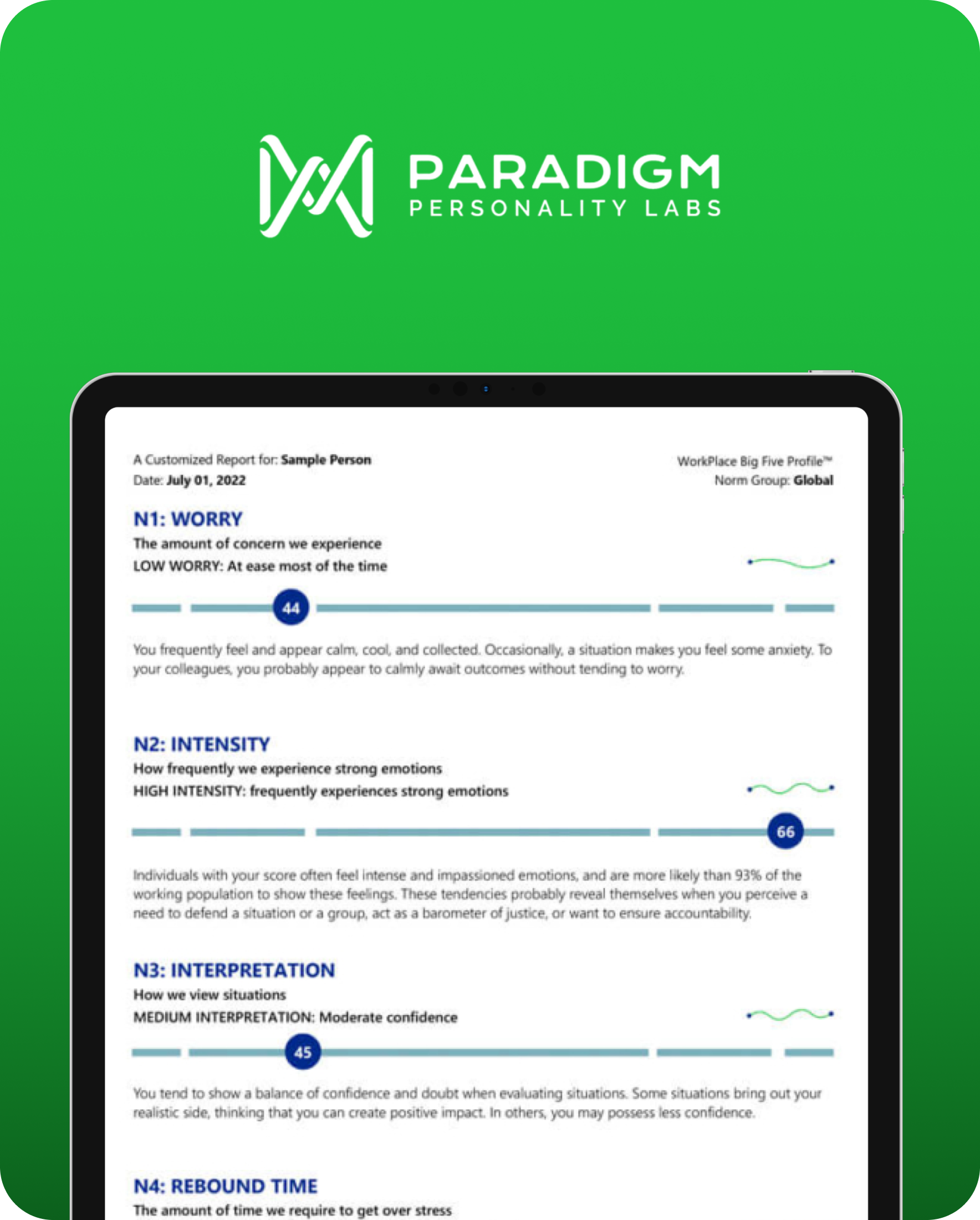
HR
Paradigm Personality Labs
HR SaaS for Paradigm Personality Labs
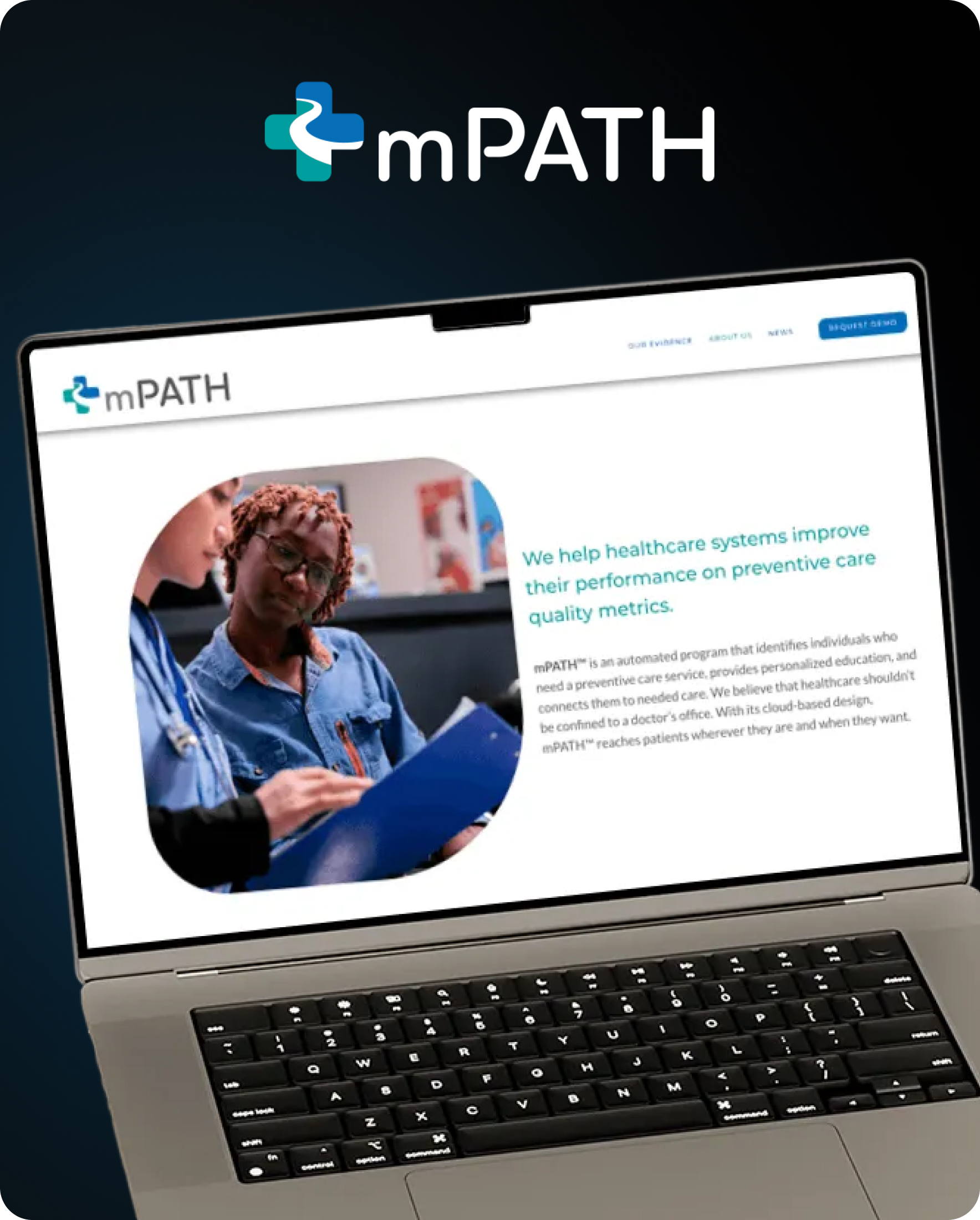
mPATH Health
Healthcare
Healthcare SaaS for mPATH Health
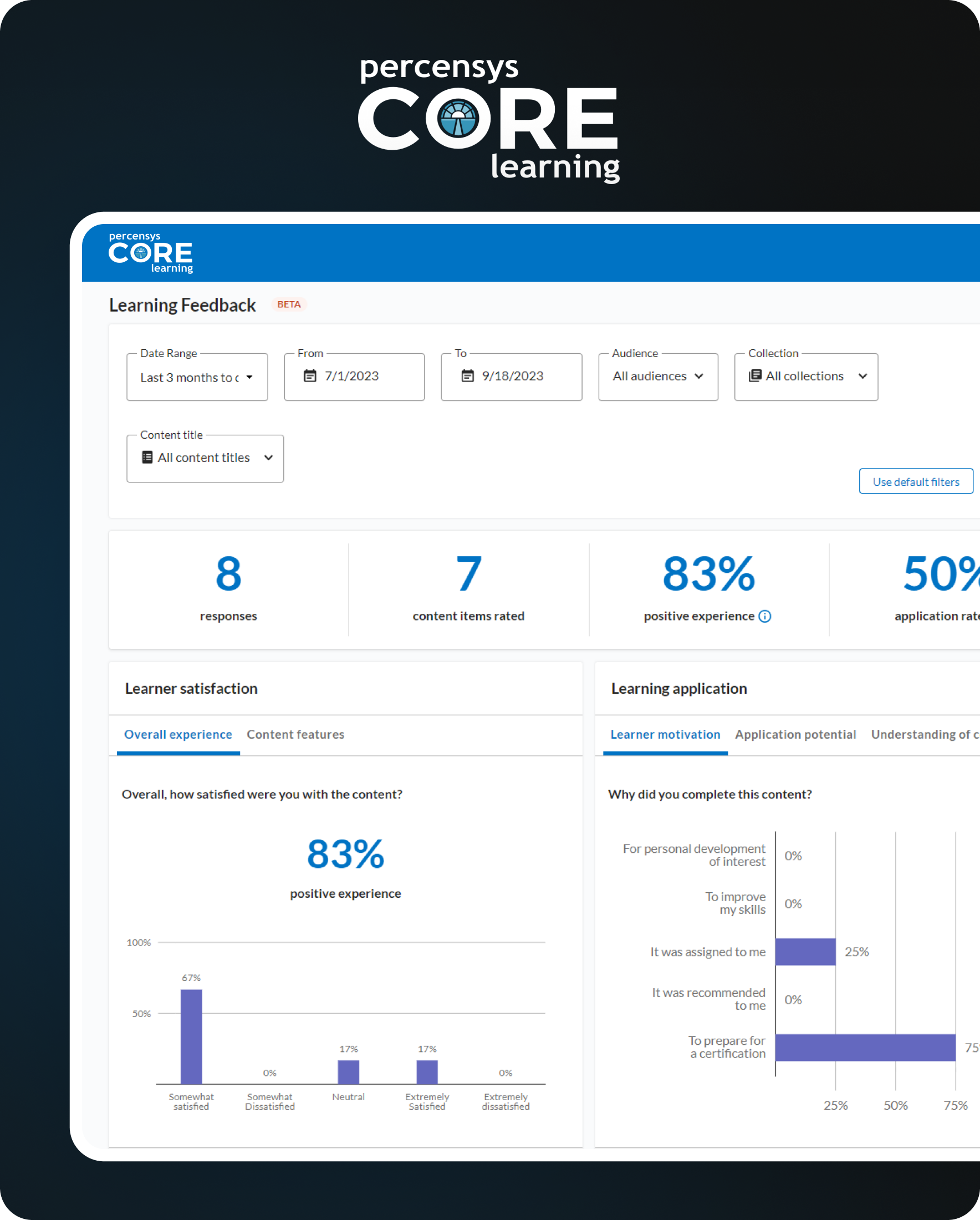
Percensys Core Learning
Education
Learner & Admin Workflows for Percensys
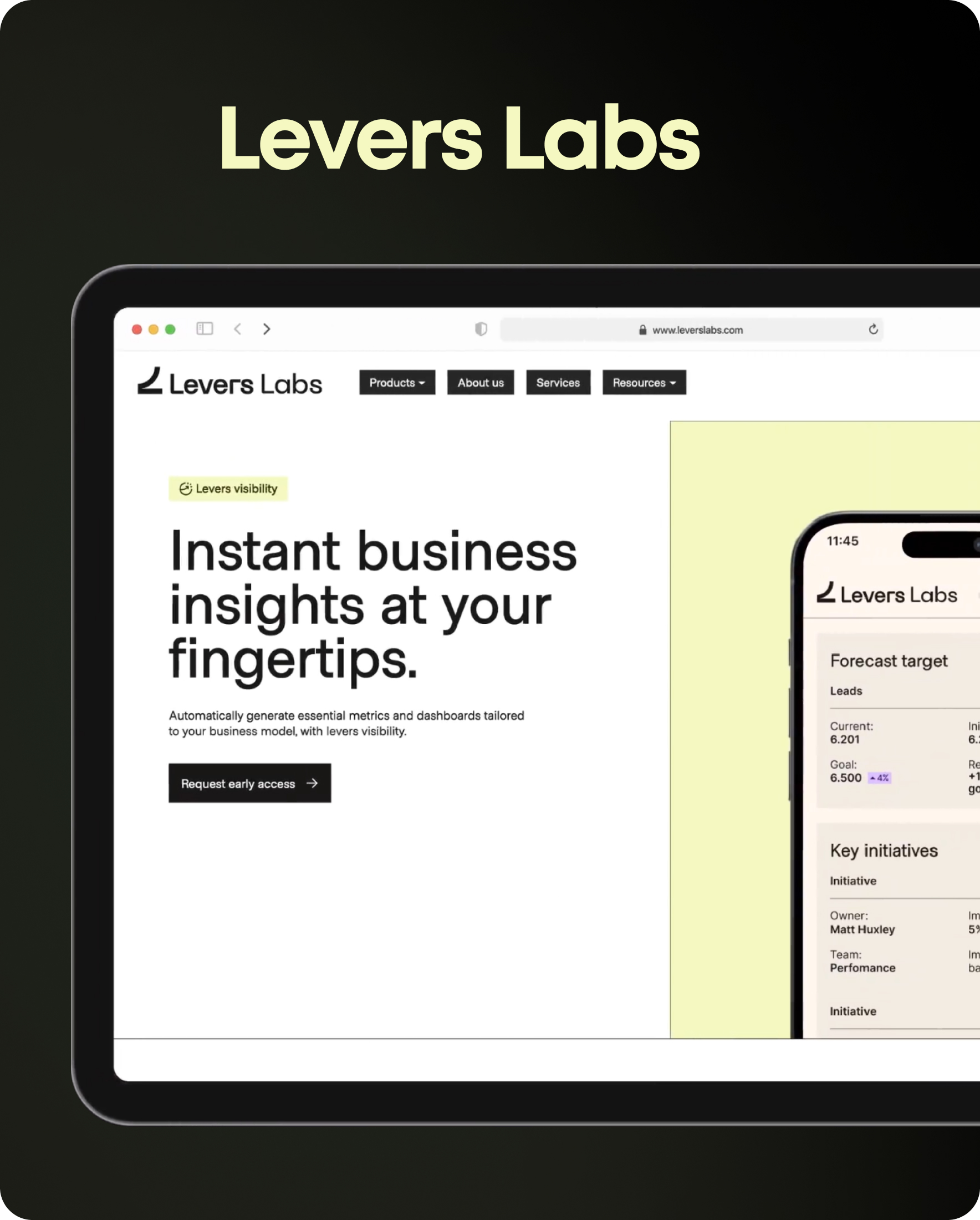
Levers Labs
Automation
AI/ML Automation Platform for Levers Labs
TFX Capital
Finance
Web & UX for TFX Capital
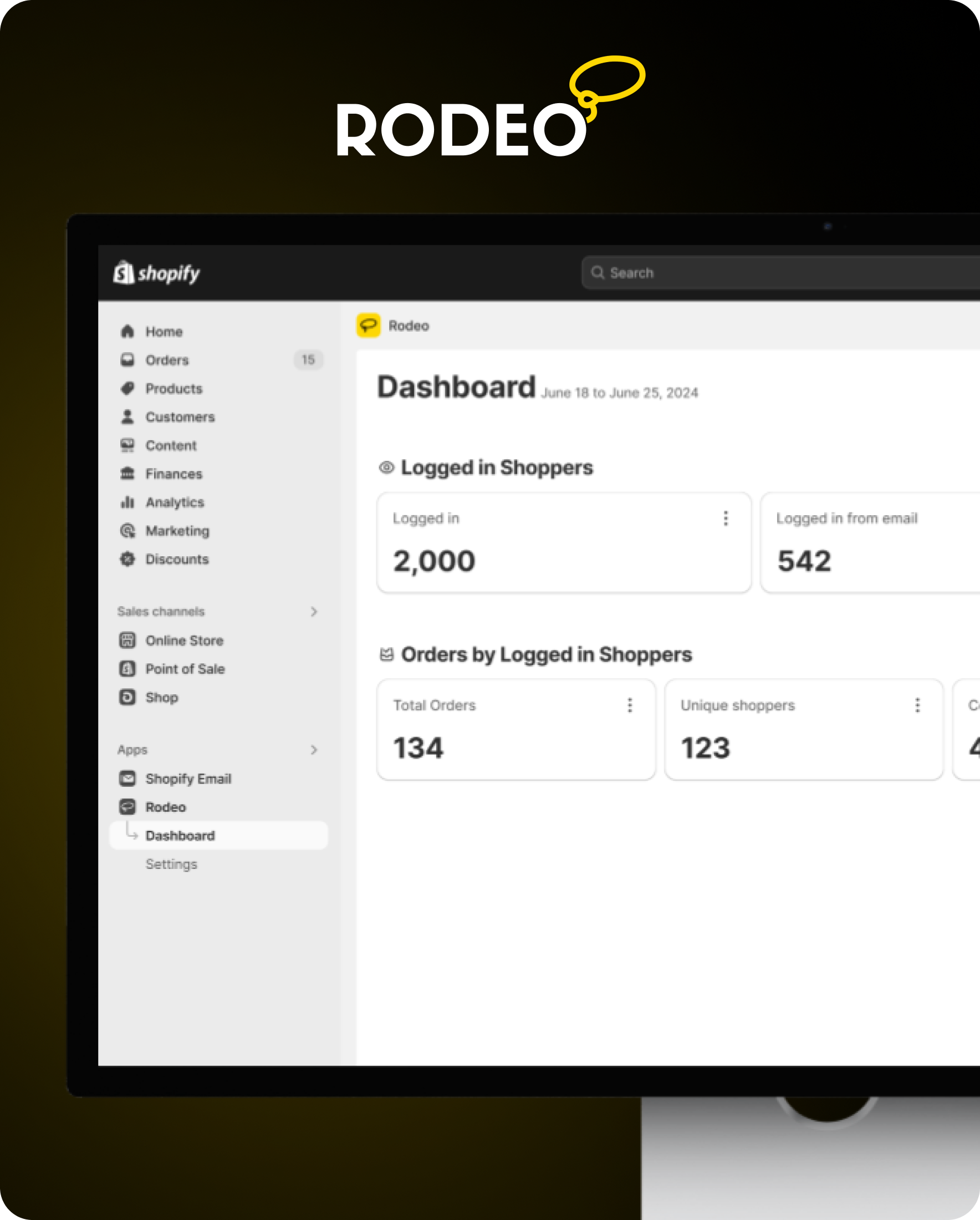
Rodeo
E-commerce
Shopify Subscription Plugin Built in 8 Weeks
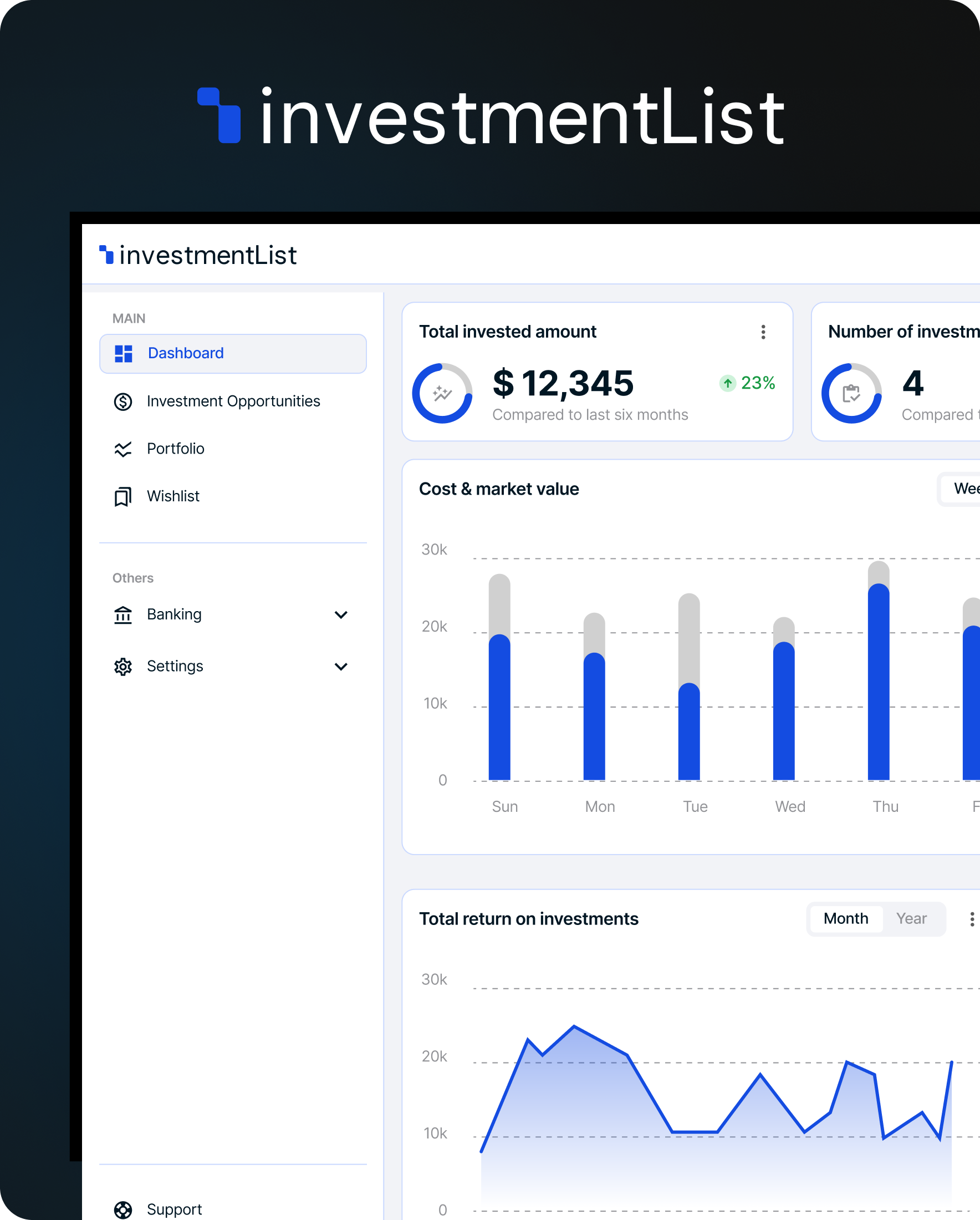
Investment List
Fintech
Fintech Web Platform for Investor Discovery
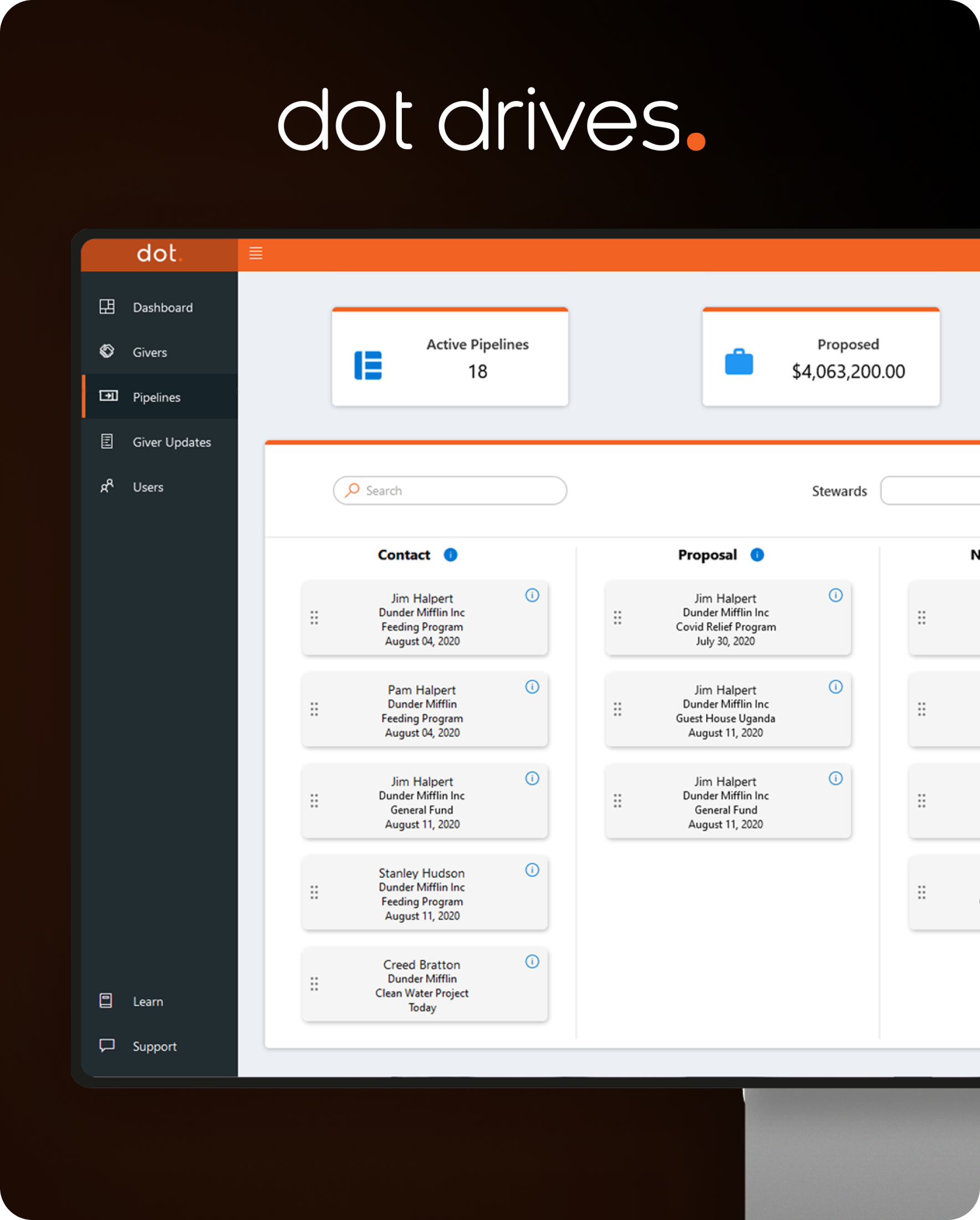
Dot Drive
Fintech
Fintech Web Product for Dot Drive
TeamBuilder
Healthcare
Healthcare SaaS for TeamBuilder
The metrics that follow from shipping with senior engineers
4.9 / 5
Average client rating across platforms
93%
Net Promoter Score
150%
Client retention rate
SOC 2
Type II certified
Pick the engagement that fits
Four ways to work with us — from surgical staff augmentation to fully managed delivery. All models share the same senior-first talent bench.
Dedicated Teams
Full-time engineers embedded in your team for long-running engagements.
Explore Dedicated Teams↗Staff Augmentation
Add senior specialists to an existing team — vetted, onboarded, and up to speed in weeks.
Explore Staff Augmentation↗Project Delivery
Managed fixed-scope projects with a committed timeline and deliverables.
Explore Project Delivery↗Virtual CTO
Fractional senior technical leadership for architecture, hiring, and strategy.
Explore Virtual CTO↗Why KodersCode
Six reasons teams stay past the pilot.
The shortlist we get asked about on every call — what actually separates KodersCode from a dev shop.
Model Selection & Cost Optimization
We match the right OpenAI model to each task — using cheaper, faster models for classification and routing while reserving reasoning-heavy models for complex generation — so your per-query costs are defensible at production scale.
Structured Output Engineering
Function calling, JSON mode, and Zod/Pydantic validation schemas ensure your AI outputs are machine-readable, parseable, and safe to pass downstream — no more brittle string parsing of free-form completions.
Retrieval-Augmented Generation (RAG)
We build vector search layers (pgvector, Pinecone, or Weaviate) that ground GPT completions in your proprietary documents, knowledge bases, and structured data — dramatically reducing hallucination and expanding what the model can answer.
Prompt Engineering & Versioning
Prompts are first-class code artifacts in our engagements — version-controlled, reviewed, tested against regression suites, and evaluated with automated LLM-as-judge scoring so you know when a model update breaks your use case.
Safety, Guardrails & Compliance
Output filtering, PII redaction, content policy alignment, and audit logging are built in — particularly important for healthcare, fintech, and legal applications where uncontrolled AI output creates liability.
Assistants API & Tool Use
We build multi-step AI agents using OpenAI's Assistants API with tool calling — connecting GPT to your databases, APIs, and internal systems so the AI can retrieve live data, take actions, and return results grounded in real state.
Reviews
Nine CEOs on reference. Three platforms verify the work.
- Clutch 4.9
- DesignRush 4.9
- The Manifest 5.0

Lisa Dunbar
CEO · Paradigm Labs
Paradigm Labs case study→“They did an excellent job balancing scientific nuance with a user-friendly experience. It's clear they care about both rigor and design.”

Vito Robles
COO · Percensys
Percensys case study→“They took feedback seriously, refined the details, and made sure our content and workflows were presented in a way that really works for our learners and admins.”

Ryan Pamplin
CEO · Blendjet
Blendjet case study→“Managing global scale requires extreme technical precision. KodersCode re-architected our funnels to perform under massive pressure.”

Steve Gebhardt
Founder · RSVLTS
RSVLTS case study→“Our old setup crashed during every major drop until KodersCode built a beast of an engine for us. They handled our traffic spikes perfectly.”

Farid Huseynov
CEO · Kapital Bank
Kapital Bank case study→“Reliability and scalability are critical for us. They approached the engagement with a strong technical foundation and a clear process.”

Michael Ou
Founder · CoolBitX
CoolBitX case study→“Security and precision are non-negotiable for us. They demonstrated solid technical judgment, were open to feedback from our engineers, and iterated quickly.”

John Bradford
CEO · PetScreening
PetScreening case study→“An external team can be just as committed and driven as our internal one. Their dedication and attention to detail have made them invaluable.”

Oliver Dlouhy
CEO · Kiwi
Kiwi case study→“We move fast and deal with a lot of edge cases. They kept up without cutting corners, which is rare. The team stayed responsive across time zones.”

Davis Rosser
CEO & Co-founder · Elite Amenity
Elite Amenity case study→“The digital concierge we co-built is more than tech — it's a paradigm shift in resident experience. Luxury brands can now offer faster services.”
Why Teams Choose Us
SOC 2 Certified
Enterprise-grade security and compliance across every engagement.
Time-Zone Aligned
Nearshore teams that overlap with your working hours for real-time collaboration.
Top Rated
Near-perfect satisfaction scores across Clutch, DesignRush, and Manifest.
Process
How we deliver every sprint.
Our engineers are not freelancers, and we are not a marketplace. Dedicated KodersCode seniors, seated with your team.
Before kickoff
First-touch deep dive.
Pre-kickoff technical and strategic review.
Before a single line of code, we sit with your team to align on stack, constraints, and what success looks like. Our VP Eng, CTO, and senior leads join — not a sales engineer.
Full review of your stack, goals, and constraints before kickoff
Session led by VP Eng, CTO, and the senior leads who'll staff the work
Architecture, tooling, and team shape agreed before the first sprint
Questions
Frequently asked, honestly answered.
The questions we get on every intro call — answered without the marketing gloss.
Scoped OpenAI integrations through KodersCode typically range from $25,000 for a focused single-feature build (e.g., AI-powered search or a document summarizer) to $150,000+ for a full AI product layer with RAG, multi-turn conversation, tool use, and an admin dashboard for monitoring. The biggest cost variable is the retrieval architecture — building and tuning a vector search layer over proprietary data is often 40% of the engineering work. Ongoing OpenAI API spend is separate and depends on usage volume; we model this for you during scoping so there are no surprises.
Keep exploring